very minute, 300 million apps are downloaded around the world, but how many genuinely meet the intricate needs of the professionals? In the age of technological saturation, selecting the right app can often feel akin to finding a needle in a digital haystack. It’s not just about utility, it’s about precision, efficiency, and seamless integration with one’s lifestyle or work demands.
The road to creating ideal applications has its roots deeply embedded in the evolution of software design, adapting continually to user feedback and technological advances. According to recent studies, 80% of app users abandon an app after just one use if it doesn’t align with their expectations, highlighting the necessity of customization and user-centric design. Successful apps today are characterized by intuitive interfaces, robust functionality, and seamless synchronization across multiple platforms, ensuring they cater comprehensively to the nuanced requirements of their expert users.
Choosing the ideal apps to suit your requirements involves assessing functionality, customization options, and user-centric design. Prioritize apps that integrate well with existing tools, offer seamless synchronization across devices, and ensure robust security measures. Evaluating user reviews and testing through trials can identify which apps align best with professional needs.

Source: squarespace-cdn.com
The Ideal Apps to Suit Your Requirements
Finding the right app is like picking the perfect tool for a job. Apps today serve countless needs, from organizing your day to enhancing productivity. The ideal app combines functionality with ease of use, ensuring it meets your specific requirements. It should seamlessly integrate into your daily routine without causing stress or confusion. Apps that lack these qualities often end up deleted or unused.
To truly fit your needs, an app should offer customization options. For example, allowing you to change themes or adjust settings can make it more user-friendly. Some apps also let you personalize notifications or layouts to better suit your preferences. By having these features, the app becomes more adaptable to various conditions. Personalization plays a crucial role in how effectively an app meets individual requests.
Many people consider user interface an essential factor in their choice of apps. It’s important for the app to have an intuitive design that guides users through tasks effortlessly. Features like clear navigation and helpful tutorials can significantly enhance user experience. A well-designed app makes it enjoyable to achieve goals and encourages consistent use. These elements ensure the app remains useful over time.
Another significant aspect is the app’s ability to sync across multiple devices. This ensures you can access your data whether you’re at home, at work, or on the go. Mobile apps, in particular, should support this to provide a seamless experience. Concerns around data security can also be a deciding factor when choosing an app. Users should feel confident their information is safe and easily accessible when needed.
Defining Your App Requirements
Before downloading an app, it’s crucial to clarify what you need it to do. Start by listing the primary tasks you expect the app to handle. Knowing your goals helps narrow down choices and finds the best fit. Consider if you need the app for personal organization, teamwork, or something else entirely. This initial step ensures you don’t waste time with unsuitable apps.
Think about the features that are non-negotiable for you. These might include
- device compatibility
- ease of use
- offline access
. Prioritizing features helps in comparing similar apps. Take note of any additional perks that might enhance your experience. This extra layer of specifics guides you more accurately toward your perfect app.
Budget considerations also play a role in defining your app requirements. Free apps can be appealing, but sometimes paid versions offer advanced features. Determine if the app’s price aligns with its value to you. Keep in mind the potential long-term benefits that a small investment might yield. This helps balance cost with functionality.
Engage with other users through reviews and ratings. Feedback from current users often reveals issues you might not have considered. A well-rated app can ease concerns about function and reliability. Learning from others’ experiences can save you both time and potential frustration. This community insight can be invaluable in making an informed choice.

Importance of Customization and User-Centric Design
Customization allows users to personalize their app experience, which is key to satisfaction. By adjusting features, users can tailor the app to fit their unique needs and preferences. This not only makes the app more appealing but also enhances its functionality. Options such as changing themes or rearranging layouts add flexibility. These choices make users feel more connected to the product.
A user-centric design focuses on the needs and habits of the app’s audience. It starts with understanding user behavior and crafting a seamless interaction. This design benefits users by presenting a straightforward interface and clear navigation. Features designed with users in mind lead to higher engagement and fewer frustrations. A thoughtful approach can quickly make a complex task feel effortless.
It’s important to consider the balance between necessary features and user freedom. Too many options can overwhelm users, while too few can limit usefulness. Successful apps strike a perfect blend by offering essential features that users truly want. This balance enhances the user experience and encourages return use. A well-designed app leaves users feeling satisfied and empowered.
Feedback from users is essential in improving future app designs. Listening to user comments helps developers refine features and fix issues. Engaging with user communities can also spark new ideas and innovations. This interaction creates a cycle of improvement, ensuring the app stays relevant and effective. Continuous updates based on user needs demonstrate a commitment to quality and user happiness.
Intuitive Interfaces and Robust Functionality in Ideal Apps
An intuitive interface makes it easy for users to navigate and perform tasks efficiently. It involves a clear layout with straightforward instructions, which guides users seamlessly through the app. Such interfaces reduce the learning curve, allowing users to familiarize themselves quickly. When a user can accomplish their goals without confusion, the interface is fulfilling its purpose. This directly impacts how often users engage with the app.
A strong app combines both intuitive design and robust functionality. While the interface ensures easy use, robust functionality means the app performs well without glitches. Features should work smoothly and meet user expectations consistently. This makes users trust the app for its reliability and performance. A balance between design and function keeps the app in high regard among users.
Robust functionality involves the ability to handle various tasks without crashing or lagging. It’s essential for apps that manage complex data or require real-time processing. Users rely on these apps for important activities, expecting them to work flawlessly. Performance optimization and regular updates help maintain this reliability. Consistent enhancements prevent issues and improve user satisfaction.
Feedback on interface and functionality often leads to changes in app design. User reviews can highlight areas for improvement or suggest new features. Developers can use this information to refine the app, focusing on practical updates. This fosters a cooperative relationship between creators and users. Positive changes driven by feedback make the app better fitted to user requirements.
Incorporating user suggestions can result in useful updates. For example, adding shortcuts or simplifying menus based on common user practices. These tweaks further streamline the user experience and elevate its effectiveness. Responding to user insights demonstrates a commitment to user needs and functionality improvement. Apps grow stronger when they evolve with user input.
Seamless Synchronization Across Platforms
Seamless synchronization allows users to access their data from any device without hassle. Imagine starting a task on your phone and continuing it on your laptop. This continuity provides convenience and enhances productivity. Apps that support synchronization ensure that your information is always up-to-date. It eliminates the frustration of finding missing files or outdated data.
To achieve seamless synchronization, apps use cloud storage solutions. Cloud-based systems store your data securely on the internet rather than just on one device. This allows you to retrieve it from anywhere with an internet connection. Many apps rely on cloud services to allow real-time updates and access control. This technology keeps users connected and informed at all times.
Several popular apps excel at synchronization across different platforms. Users can enjoy this feature with applications such as:
- Email clients that sync messages and contacts effortlessly
- Note-taking apps that update entries across devices instantly
- Calendars that show appointments on all platforms
These apps ensure a cohesive experience regardless of device choice.
Security measures are vital to maintaining trust in synchronized apps. Users expect their cross-platform data to be private and safe from leaks. Apps often use encryption methods to protect data as it moves between devices. Regular security updates are also important to fend off potential threats. Such steps ensure users feel secure in sharing information across platforms.
User feedback is valuable in optimizing synchronization features. Many users share their stories of how certain sync flaws affected their work or personal tasks. Developers listen to this input to make necessary adjustments and improvements. By prioritizing user needs, apps evolve to better serve their audience. Continuous updates based on this feedback ensure the app remains relevant and effective.
How to Choose an App that Caters to Your Professional Needs
Finding the right app for professional needs starts with identifying what tasks you need it to perform. Whether it’s managing projects or organizing schedules, each task may require different tools. Start by making a list of features that are most important to you. Think about what will enhance your productivity and efficiency. This list will help narrow down the options available.
Research potential apps by reading user reviews and ratings. Feedback from others who use the app can highlight strengths and weaknesses. Look for comments about ease of use, reliability, and support. High ratings often indicate an app meets user expectations. Avoid apps with consistent negative feedback on crucial features.
Consider the app’s compatibility with your existing tools and systems. If you already use certain software, ensure the new app integrates seamlessly with them. This might include compatibility with email systems or document formats. Check if the app allows data import and export between different software. Smooth integration ensures better workflow and avoids unnecessary disruptions.
Try out some apps with free trials or demo versions. Many apps offer limited-time trials so you can explore their features without commitment. This hands-on experience can be valuable in assessing if the app fits your needs. During the trial, pay attention to how intuitive and responsive the app feels. Confirm it aligns well with your professional requirements.
Budget considerations are also key when selecting an app. Some apps require a one-time payment, while others might charge monthly or have in-app purchases. Compare pricing against the value the app provides. Ensure it fits within your budget and delivers the expected return on investment. An informed decision combines both cost and functionality for best results.
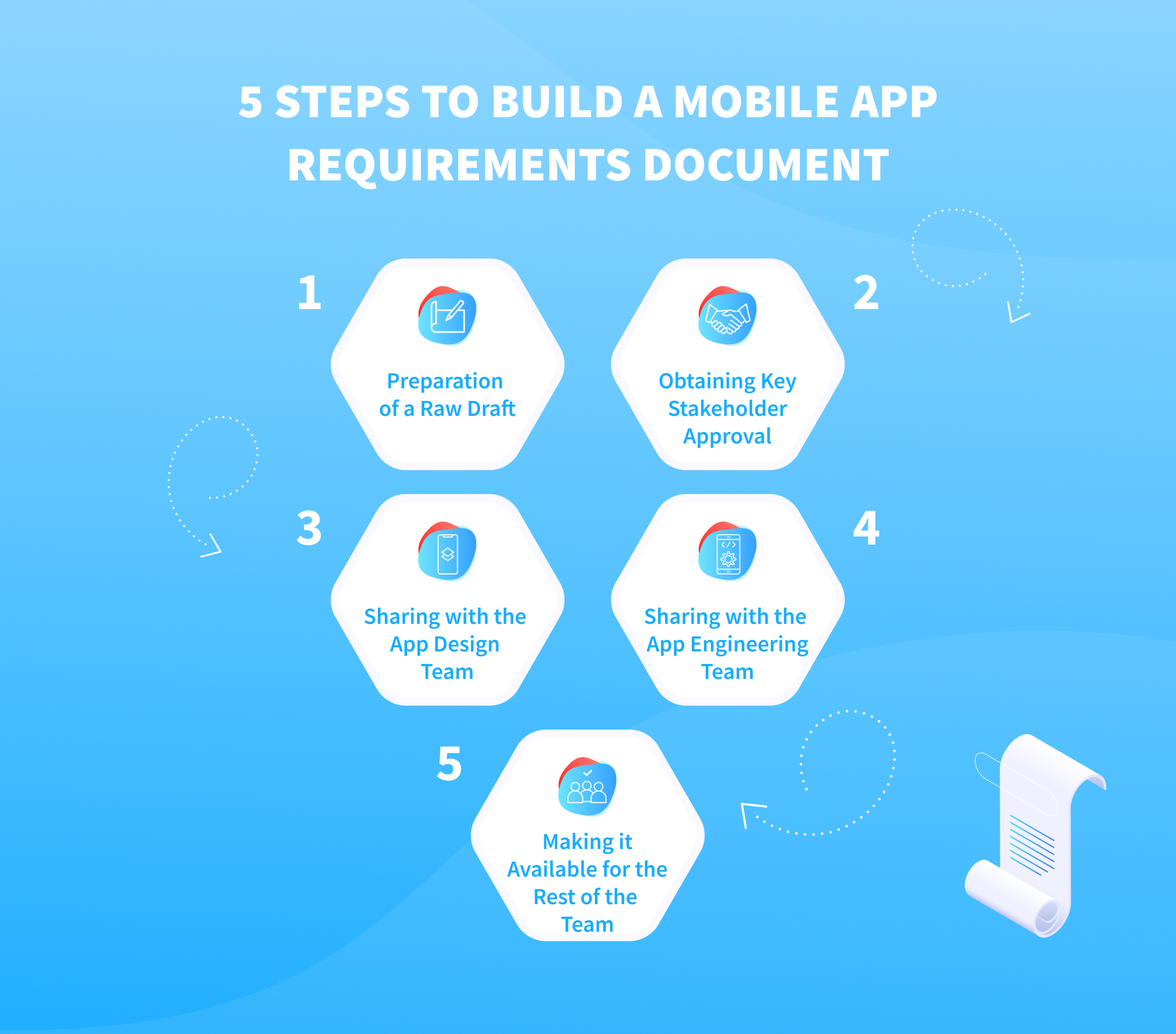
Source: nix-united.com
Frequently Asked Questions
Choosing the right app involves understanding your needs and how an app can meet them. Here we’ve compiled some common questions to help you navigate this process and make better choices.
1. What features should a productivity app include to be effective?
A productivity app should include features like task tracking, reminders, and time management tools. Many productivity apps also offer collaboration options, allowing sharing and syncing across team members.
These features enhance efficiency and streamline workflows. With the right productivity app, you can set priorities, track progress, and balance workload easily.
2. How does user feedback influence app development?
Feedback allows developers to understand what users like or dislike about an app. It highlights both essential strengths and areas requiring improvement.
Developers can prioritize updates and new features based on this feedback, ensuring that user needs are met efficiently. The active involvement of users in this process leads to a better and more user-friendly app.
3. Why is cross-platform synchronization essential for apps?
Cross-platform synchronization keeps your data updated across devices, ensuring seamless access anywhere. This feature is crucial for professionals who switch frequently between devices.
Without it, users would face redundancies and data mismatches. Synchronization fosters a continuous workflow, providing the freedom to work from any location with reliable data.
4. How can customization improve the user experience in apps?
Customization lets users adjust the app’s interface and features to better fit personal preferences. This flexibility makes apps more comfortable and tailored to individual needs.
When users can personalize settings, they often find greater satisfaction in using the app. It enhances engagement, productivity, and overall user happiness, as the app feels like a perfect fit.
5. What role does security play in choosing an app?
Security is paramount as it protects users’ data from unauthorized access or breaches. Apps with strong security measures instill trust and reliability.
Features like encryption and regular security updates are crucial for safeguarding personal and professional information. Users require assurance that their data is secure, prioritizing apps that demonstrate robust security protocols.
Conclusion
Selecting the right app is crucial for enhancing productivity and meeting professional goals. By focusing on features like user-centric design and seamless synchronization, professionals can find apps that blend seamlessly into their workflow. Consideration of user feedback and security measures ensures a balanced choice of functionality and safety.
A thoughtful approach to app selection leads to improved efficiency and greater satisfaction. With the right tools, users can work smarter and achieve better results. Continued engagement with app developers through feedback can further enhance the app experience, ensuring it adapts to evolving needs and maintains its relevance.


